What Happens Mentally When Every Hand Looks Unplayable
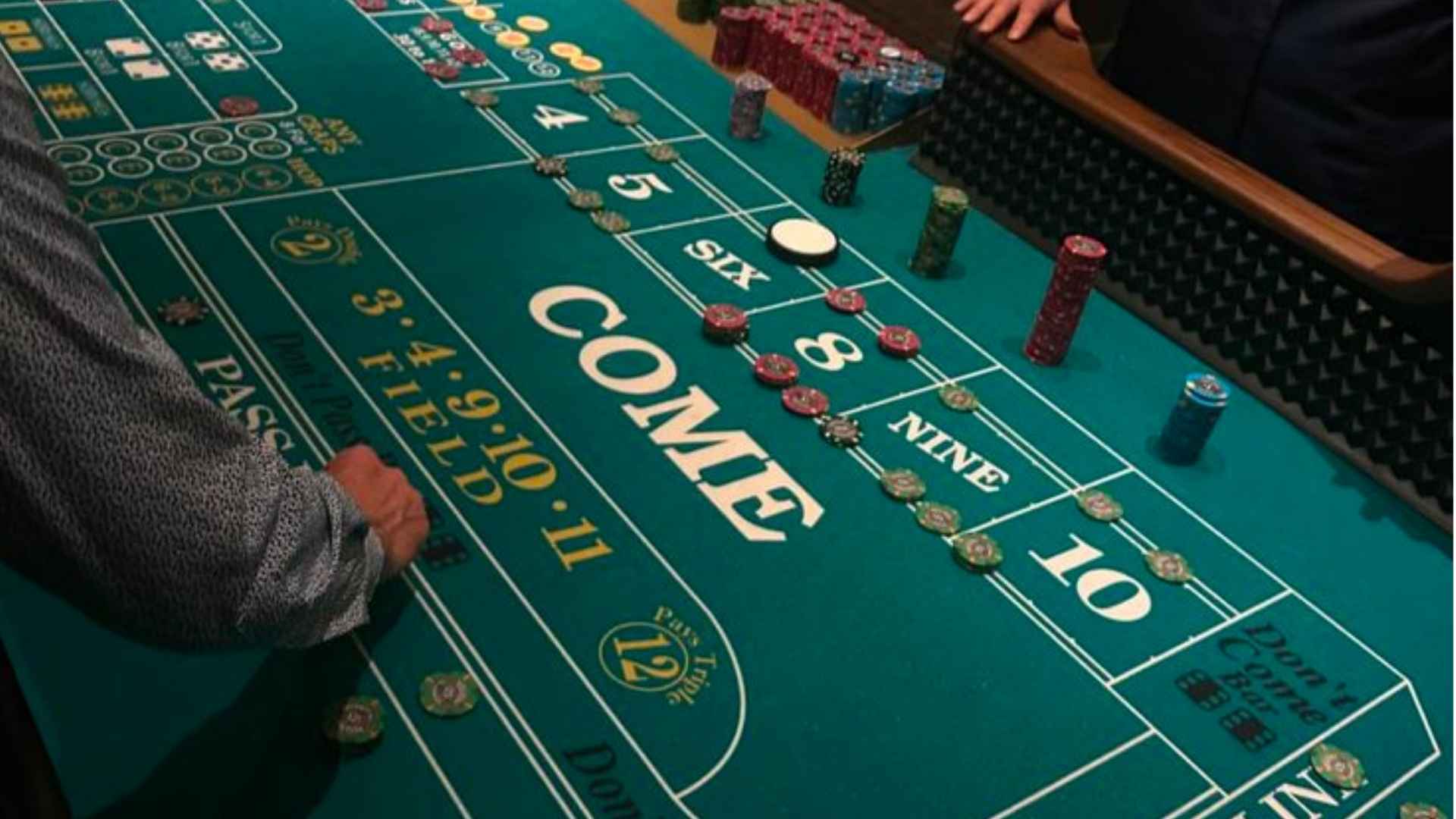
Extended stretches of receiving weak holdings can test the psychological resilience of even the most experienced poker players. When faced with a relentless sequence of folded cards, the human mind gradually undergoes subtle cognitive shifts that disrupt decision-making and overall strategy. Understanding these psychological reactions allows competitors to maintain mental stability and safeguard their bankrolls during tough stretches.
The Onset of In-Game Boredom and Loss of Focus
When a player goes prolonged periods without participating in a pot, the brain naturally seeks stimulation to replace the lack of action. This mental drift often causes attention to wander away from observing opponents' betting patterns and physical tendencies. As a result, critical information is missed, leaving the player unprepared when a playable opportunity finally arises.
Maintaining active engagement during long card-dead phases requires deliberate mental discipline and continuous table analysis. Tracking opponent habits during hands you fold keeps the analytical mind sharp and productive. Players who access digital platforms via link vào m88 frequently practice remaining focused even when sitting out multiple consecutive rounds.
The Illusion of Impending Probability
A common cognitive trap during extended card droughts is the belief that a strong holding is inevitably due in the immediate future. Known as the gambler's fallacy, this mental bias tricks players into assuming that past randomness directly dictates upcoming card distributions. Believing that a good hand must arrive soon often prompts individuals to lower their standards prematurely.
In reality, each hand dealt at the poker table represents an independent event with identical mathematical odds. Recognizing this truth prevents players from falling into the trap of artificial expectation. Successful strategists evaluate each deal based purely on its individual merit rather than personal frustration.
The Temptation to Play Marginal Cards
As frustration accumulates, the urge to participate in action often overrides disciplined hand selection guidelines. Players start convincing themselves that weak or disconnected cards are worth playing simply to break the monotony. This subtle shift in criteria frequently leads to playing out of position or calling unnecessary raises.
Entering pots with sub-optimal holdings routinely creates difficult post-flop scenarios with low expected value. Over time, these minor leaks bleed away chips far faster than simply folding through a quiet period. True long-term profitability hinges on resisting the impulse to force action out of pure impatience.
Reframing Card Droughts as Strategic Opportunities
Elite competitors view periods of unplayable hands not as punishment, but as an opportunity to build a tight table image. When opponents observe a player consistently folding, they often grant greater credibility to that player's eventual bets and raises. Leveraging this perceived tightness allows disciplined players to execute highly convincing bluffs later in the session.
Developing a constructive perspective transforms idle waiting time into a valuable strategic asset. By mastering emotional regulation during quiet phases, players protect their resources and maintain peak mental clarity. Ultimately, surviving prolonged card droughts remains one of the defining traits of a mature and resilient player.